
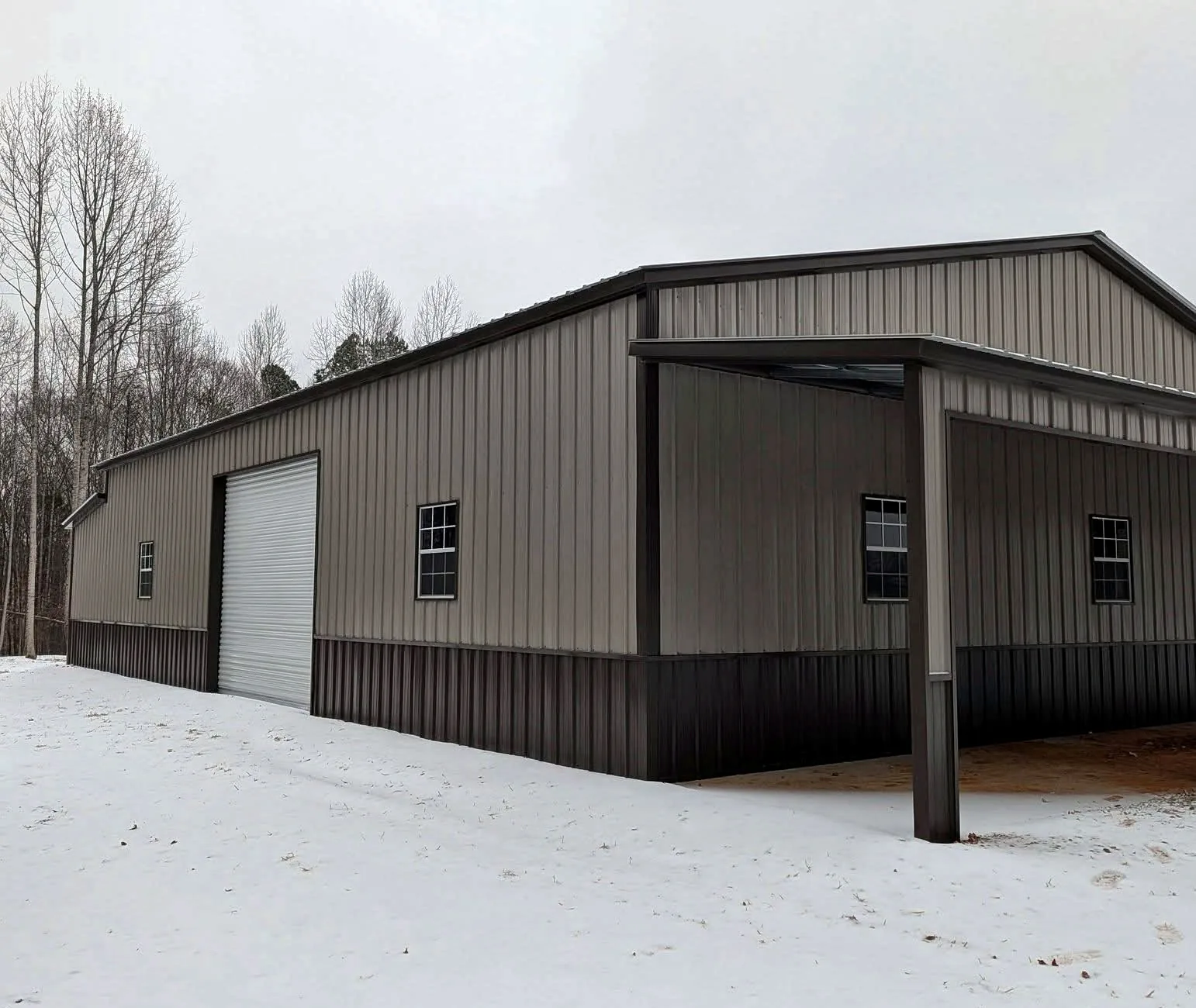
Wind and snow are the two forces that decide whether a metal building stays standing. Yet they are also the most confusing part of a quote. You will see numbers like "140 mph" or "30 psf" and wonder whether they apply to you.
Two numbers that matter
- Design wind speed, measured in miles per hour, is the wind the building is designed to resist.
- Snow load, measured in pounds per square foot (psf) on the roof, is the weight of snow the roof is designed to carry.
Both come from building codes and local rules. They are set by location, based on regional weather data and the standards your jurisdiction adopts. That means two buildings of the same size can have very different requirements in two different places.
Why one rating does not fit everywhere
A coastal county can require much higher wind design than an inland one, sometimes within the same state. Mountain and northern areas carry heavy snow loads. Some places also have special requirements for exposure, flood zones or seismic activity.
That is why a generic "rated for wind and snow" claim is not enough. The question is: what does this building need to meet at my address?
What "certified" or "engineered" means
A certified building has been engineered for the design loads at its location, and the manufacturer provides documentation, often with an engineer's stamp, that shows it. This is the document many building departments want to see with your permit application. See permits and engineering and do you need a permit for a metal building.
By contrast, a standard or "basic" building may be sold without local engineering. It can be fine in a mild area where no permit is required, but it is a risk where codes apply.
What changes in the building
When the required loads go up, the design changes. Typical differences include:
- Heavier or more closely spaced framing. See 12 gauge vs 14 gauge.
- Extra bracing and stronger connections
- Stronger anchoring to the foundation. See slab requirements.
- A roof style that suits the climate. Vertical roof panels shed rain and snow more easily than horizontal ones.
- Reinforced door and wall openings
These changes are why the price depends on your ZIP code. Read what drives metal garage cost.
Questions to ask about any quote
- What design wind speed and snow load is this building engineered for?
- Are those numbers based on my address, or generic?
- Do you provide stamped engineering drawings if my building department asks?
- Does the price include the anchoring needed for my foundation?
- Is the frame gauge and spacing listed?
If a seller cannot answer these, keep looking.
How Omega handles it
Omega builds to the design wind speed and snow load at your address, not a one-size rating. When you request a quote, your ZIP code is what lets us price the building for your location. Your specialist can explain the requirements your county is likely to apply. For regional notes, see our state pages.
What certification does not do
No building is storm-proof. Engineering lowers the risk, but extreme events can exceed design limits, and proper installation, anchoring and maintenance still matter. See how long metal buildings last.
FAQ
What wind rating do I need?
It depends on your location and local code. Your building department and your specialist can confirm the number for your address.
Is a metal carport safe in high wind?
A carport engineered and anchored for your area is designed for those loads. An unengineered one may not be.
Does snow load affect roof style?
Yes. Roof style and framing both affect how a building handles snow.
Do all areas require engineered drawings?
No. Some do not, but many do. Ask your local office.